Tree Trimming Services
Professional Tree Trimming
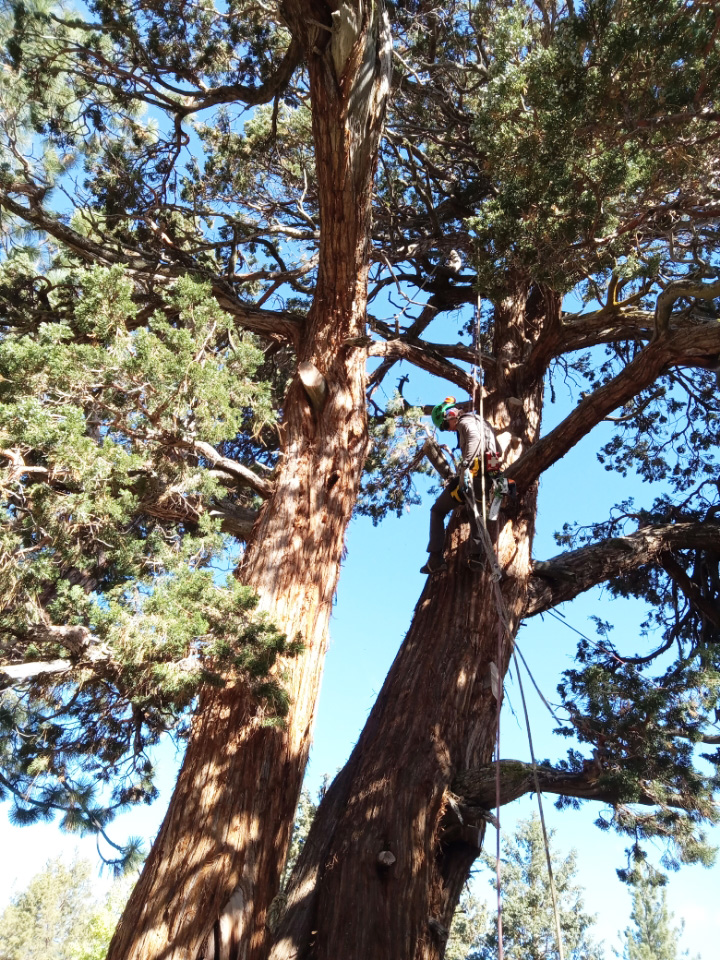
When you need reliable tree trimming, Armstrong Tree Service brings certified arborist knowledge, professional climbing equipment, and the experience to make every cut in the right place for your trees’ long-term health. Trees growing in the wild sort themselves out through natural competition—branches die from lack of sunlight, weak limbs break off in storms, and only the strongest survive. Trees on your property don’t have that luxury. A branch that would have been shed naturally in a forest can hang over your roof for years, becoming more dangerous as it decays. A dense crown that would have been thinned by neighboring trees in a forest catches wind like a sail and transfers dangerous loads to the trunk. Limbs that would have been shaded out by competition grow unchecked toward your home, your power lines, and your driveway. Professional tree trimming addresses all of these issues through selective branch removal that works with the tree’s biology. Every cut is made at the branch collar where healing occurs fastest. No stubs are left to decay. No climbing spikes are used on trees being maintained. For detailed structural work, our Tree Pruning service provides the selective cutting that improves tree architecture. For trees that need to come down, our Tree Removal service handles removals safely. For complete care, our Tree Service provides comprehensive solutions.
What Tree Trimming Accomplishes
Deadwood Removal
Dead branches are the most immediate hazard your trees present. Unlike living wood that bends under load, dead branches are brittle and snap without warning—in wind, under snow, or sometimes on calm days when thermal stress becomes the final trigger. A dead limb falling from height carries enough force to damage vehicles, punch through roofing, or injure anyone below. Beyond the safety risk, deadwood provides an entry point for wood-boring insects and decay organisms that can spread into healthy tissue. Removing dead branches promptly protects both your property and the tree itself.
Canopy Thinning and Wind Safety
A solitary tree on your property faces wind differently than trees in a forest that shelter each other. A dense, crowded canopy acts like a solid wall, transferring every gust of wind directly to the trunk and root system. During Sierra windstorms, this force can topple trees or snap major limbs. Canopy thinning selectively removes interior branches to let wind pass through the crown without sacrificing the tree’s natural shape. The tree still looks full and healthy, but the reduced wind resistance dramatically lowers the risk of storm failure.
Trimming vs. Pruning
These terms are often used interchangeably, but they describe different approaches with different goals. Tree trimming focuses on managing growth—cutting back overgrown branches, creating clearance around structures, thinning dense canopies to let light and wind through, and maintaining a tree at an appropriate size for its location. It’s about the tree’s relationship with its surroundings. Tree pruning focuses on tree health—removing dead or diseased wood before problems spread, correcting crossing limbs and weak branch attachments, and guiding young trees toward strong architecture. It’s about the tree’s internal condition. Most mature trees need both at different times. A tree might need trimming this year to clear the roof and pruning next year to address structural issues in the crown. Our assessment identifies what each tree needs right now. For focused structural work, our Tree Pruning service provides detailed selective cutting. For professional tree health assessment, our Arborist service provides expert evaluation. For fire safety vegetation management, our Defensible Space and Fuels Reduction services address wildfire compliance.
When to Trim Your Trees
Timing matters for how well your trees respond to trimming. For most species in the Sierra Nevada, the dormant season—late fall through early spring when trees aren’t actively growing—is the ideal window. Dormant trimming minimizes stress because energy isn’t being spent on growth. It reduces disease transmission because the insects and fungi that carry tree diseases aren’t active in cold weather. And it allows trees to direct their full resources into sealing wounds and preparing for spring growth. Pines deserve special attention—they should be trimmed during the coldest winter months when bark beetles are completely inactive and fresh cuts have maximum time to seal before beetles emerge in spring. For storm damage or hazardous limbs, we trim whenever necessary regardless of season. Protecting people and property comes first. For emergency situations, our Hazard Tree Removal service provides rapid response. For large-scale trimming projects, our Lot Clearing service handles acreage. For winter access, our Snow Removal service manages seasonal conditions.
Why Armstrong Tree Service Is the Right Choice for Tree Trimming
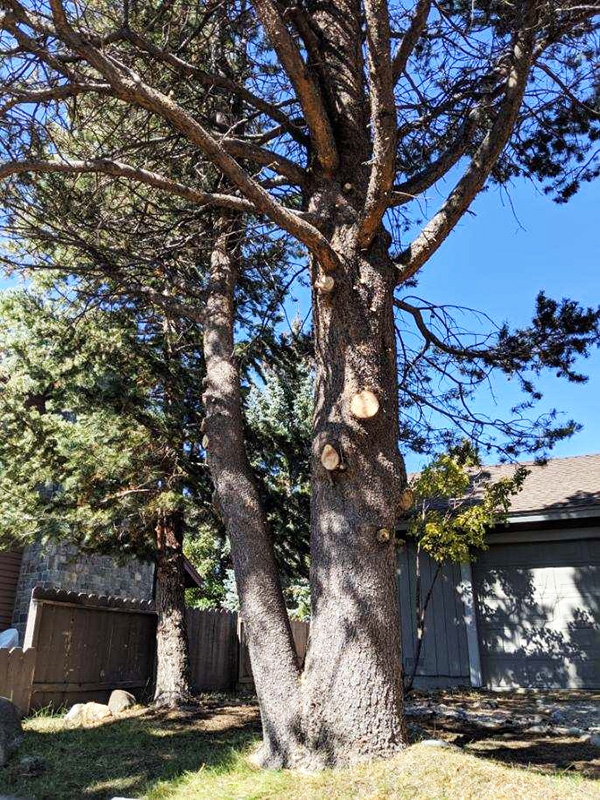
Cuts That Heal, Not Cuts That Harm. The difference between trimming that helps a tree and trimming that hurts it comes down to where each cut lands. Flush cuts destroy the branch collar and prevent wound sealing—decay follows. Stub cuts leave dead wood the tree can’t heal over—rot follows. Our crew understands branch collar anatomy and makes every cut at the precise location where the tree’s healing response is strongest. We never use climbing spikes on trees being trimmed—spikes puncture the cambium and belong only on removals.
Complete Cleanup Included. Trimming produces significant debris that can overwhelm homeowners. We chip small branches into mulch that can stay or go. We cut larger limbs to manageable lengths. Everything is cleaned up unless you request otherwise. For wood from trimming, our Firewood service provides cut and split firewood. For stump removal on trees that came down, our Stump Grinding service handles complete removal. For the most challenging tree situations, our Crane Tree Removal service provides heavy-lift capability.
Schedule Your Tree Trimming Today
Your trees are valuable assets that deserve professional care. Whether you need deadwood removed, your canopy thinned for wind safety, clearance around your home, or a complete assessment of every tree on your property, Armstrong Tree Service has the certified expertise, the professional equipment, and the commitment to proper technique to deliver outstanding results. We also offer complete Tree Service , Tree Removal , Tree Pruning , Stump Grinding , Hazard Tree Removal , Crane Tree Removal , Defensible Space , Fuels Reduction , Lot Clearing , Snow Removal , Arborist , Certified Arborist , and Firewood —making us your complete tree care resource. Call us today or book online. We’re proud to be the trusted choice for tree trimming.
Frequently Asked Questions About Tree Trimming
How often should trees be trimmed?
Most mature trees benefit from trimming every three to five years. Trees near structures or with known issues may need more frequent attention. We’ll assess your trees and recommend an appropriate schedule.
What’s the best time of year for tree trimming?
Dormant season—late fall through early spring—is ideal for most trees. Pines should be trimmed during the coldest months when bark beetles are inactive. We’ll advise on the best timing for your specific trees.
Will trimming damage my tree?
Proper trimming by trained professionals benefits tree health. Improper trimming—bad cuts, excessive removal, climbing spikes on live trees—can cause lasting damage. Our crew makes every cut correctly.
How much does tree trimming cost?
Costs vary based on number and size of trees, their location, and work scope. We provide free, no-obligation estimates after assessment. The price includes complete cleanup.
What’s the difference between trimming and pruning?
Trimming manages growth—clearing structures, thinning canopies, controlling size. Pruning focuses on tree health—removing dead or diseased wood, correcting structural problems. Our Tree Pruning service handles detailed structural work.
Do you trim trees near power lines?
Yes, with proper safety protocols. Trees near utilities require specialized procedures. Our Certified Arborist can assess the safest approach.
What happens to the debris?
We chip branches into mulch and cut larger limbs to manageable lengths. Everything is removed unless you request otherwise. Our Firewood service can process trimmed branches into firewood.
Do you handle emergency trimming after storms?
Yes. Storm-damaged limbs need immediate attention. Our Hazard Tree Removal service provides rapid response for dangerous situations.