Tree Pruning Services
Professional Tree Pruning
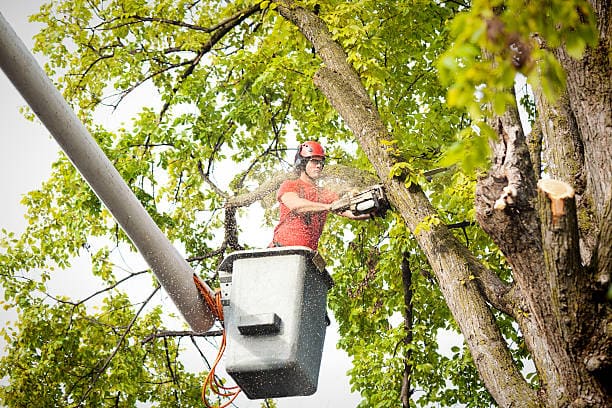
When you need expert tree pruning, Armstrong Tree Service brings certified arborist knowledge and precision cutting techniques that improve your trees’ health, structure, and safety for decades to come. Tree pruning is fundamentally different from tree trimming, and understanding the distinction matters for the long-term wellbeing of your trees. Trimming manages outward growth—cutting back overgrown branches, creating clearance around structures, and controlling the size and spread of a tree within its space. Pruning addresses the internal health and structural architecture of the tree itself—removing dead, diseased, and damaged wood before problems spread, correcting weak branch attachments before they fail in storms, eliminating crossing limbs that wound each other with every breeze, and guiding young trees toward strong frameworks that will serve them for their entire lives. Every pruning cut we make is placed with surgical precision at the branch collar where the tree’s natural healing response is strongest. We never leave stubs that invite decay. We never cut into the collar itself. And we never use climbing spikes on trees being pruned—spikes are for removals only. For general growth management, our Tree Trimming service handles clearance and canopy work. For complete tree care, our Tree Service provides comprehensive solutions. For professional assessment, our Certified Arborist and Arborist services provide expert evaluation.
Types of Tree Pruning We Perform
Structural Pruning for Young Trees
The most important pruning a tree ever receives happens during its first two decades. Young trees respond remarkably well to pruning guidance—cuts made now determine the tree’s permanent architecture for life, preventing structural problems that become expensive and dangerous to address decades later when the tree is massive. Structural pruning establishes one dominant central leader, selects and spaces the major scaffold branches that form the permanent framework, and removes or reduces branches with narrow, weak attachment angles while encouraging broader, stronger ones. A Jeffrey pine or white fir that receives proper structural pruning becomes a mature tree that withstands Sierra snow loads and windstorms without losing major limbs.
Health Pruning for Mature Trees
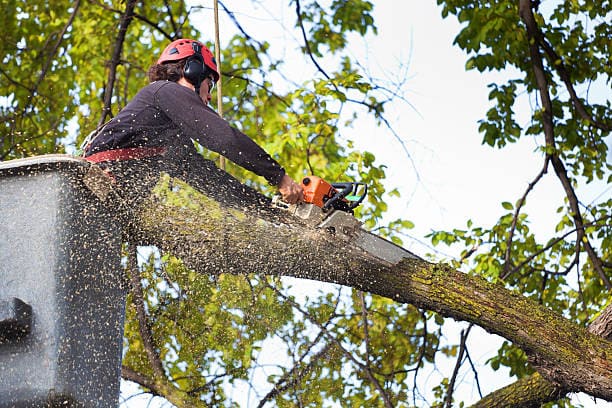
As trees age, health pruning focuses on identifying and removing wood that threatens ongoing vitality. Dead branches are systematically removed before decay organisms travel from dead tissue into living wood. Diseased limbs are pruned back to healthy tissue with tools sterilized between cuts. Branches with cracks, splits, or weak attachments are removed before they fail. Crossing limbs that create friction wounds are addressed before insects and disease enter. Health pruning is an investment in longevity—it costs far less than emergency removal after a major limb crashes down.
The Biology of Proper Pruning
Tree pruning isn’t just about what you remove—it’s about where and how each cut is made. Trees don’t heal like animals. They compartmentalize—sealing off injuries with specialized barriers that prevent decay from spreading. This defense works only when cuts are made at specific locations. The branch collar—the slightly swollen area where branch meets trunk—contains the highest concentration of wound-sealing cells. A proper cut is placed precisely at the collar’s outer edge: close enough that no stub remains, but not so close that the collar is damaged. A flush cut destroys the tree’s ability to seal the wound. A stub cut leaves dead tissue the tree cannot heal over. Every cut our crew makes respects this biology. For trees needing general maintenance, our Tree Trimming service handles clearance and canopy work. For fire safety, our Defensible Space and Fuels Reduction services address wildfire compliance.
When Your Trees Need Professional Pruning
Several indicators tell you it’s time for professional pruning. Dead branches in the canopy—especially larger ones—should be removed before they fall unpredictably. Cracks or splits in major limbs or the trunk need immediate evaluation. Crossing branches that rub together create wounds with every breeze. Branches with narrow, V-shaped attachments are significantly more likely to fail than those with broader attachments. Trees that were improperly pruned in the past—showing stubs, flush cuts, or topped architecture—need corrective work. For trees requiring removal, our Tree Removal service handles the job safely. For stump removal, our Stump Grinding service eliminates what remains. For firewood, our Firewood service provides cut and split wood. For large-scale work, our Lot Clearing service handles acreage. For winter access, our Snow Removal service manages seasonal conditions.
Why Armstrong Tree Service Is the Right Choice for Tree Pruning
We Understand Tree Biology. Pruning isn’t just physical work—it’s applied science. Our crew understands branch collar anatomy, compartmentalization, and species-specific responses. Every cut is placed where the tree’s defenses are strongest. We never leave stubs. We never cut into collars. We never use climbing spikes on trees being pruned.
Complete Cleanup Included. Pruning generates debris that we handle completely. Branches are chipped into mulch that can stay or go. Larger limbs are cut to manageable lengths. Everything is cleaned up unless you request otherwise. For ongoing care, our Tree Trimming service handles routine maintenance. For hazardous situations, our Hazard Tree Removal service provides rapid response. For the most complex work, our Crane Tree Removal service provides heavy-lift capability.
Frequently Asked Questions About Tree Pruning
What’s the difference between pruning and trimming?
Pruning focuses on tree health and structure—removing dead, diseased, or damaged wood, correcting structural problems. Trimming manages growth—clearing structures, thinning canopies. OurTree Trimmingservice handles general maintenance.
When is the best time for tree pruning?
Dormant season—late fall through early spring—is ideal for most trees. Pines should be pruned during the coldest months when bark beetles are inactive.
Can pruning save a damaged tree?
Often yes. Restoration pruning can rebuild structure in damaged trees. Some damage is too severe, and we’ll provide an honest assessment.
How much does tree pruning cost?
Costs vary based on tree size, number, location, and work complexity. We provide free estimates after assessment. Complete cleanup is included.
Will pruning wounds harm my tree?
Proper cuts at the branch collar allow natural wound sealing. Improper cuts cause lasting damage. Our crew makes every cut correctly.
How often should trees be pruned?
Young trees benefit from annual structural pruning. Mature trees typically need pruning every three to five years.
Do you use climbing spikes when pruning?
Never. Spikes puncture the cambium and create unnecessary wounds. We only use spikes on removals.
Do you handle emergency pruning after storms?
Yes. OurHazard Tree Removalservice provides rapid response for storm-damaged trees.