Tree Removal Services
Professional Tree Removal
When you need reliable tree removal, Armstrong Tree Service brings certified expertise, specialized equipment, and rigorous safety protocols to take down trees of any size in any location. Taking down a tree is not a DIY project. A mature conifer in the Sierra Nevada can weigh several tons and stand over eighty feet tall. The physics are unforgiving—when a tree falls, everything within its reach is at risk. Homes, vehicles, power lines, fences, neighboring properties, and the people nearby all depend on the tree coming down exactly where intended. Our tree removal service handles every job with a methodical, safety-first approach. We assess each tree’s height, lean, weight distribution, and proximity to obstacles, then choose the safest removal method. Controlled directional felling brings trees down in open areas. Sectional dismantling removes trees piece by piece near structures. For the most challenging situations, our Crane Tree Removal service provides heavy-lift capability. For dangerous trees, our Hazard Tree Removal service handles the most precarious removals. For complete tree care, our Tree Service handles maintenance and health.
When Tree Removal Is Necessary
Dead and Dying Trees
A dead tree doesn’t get safer with time—it gets more dangerous. As wood decays, the tree loses structural integrity. Limbs fall without warning. The trunk becomes unpredictable. A tree that could have been safely removed last year may be too compromised to climb this year, requiring more expensive methods. Dead trees also attract bark beetles and other pests that can spread to healthy trees nearby. Removing a dead tree promptly protects your property and your surrounding forest from escalating problems. Our Certified Arborist and Arborist services provide professional assessments to determine whether a tree is truly dead or can be saved.
Hazardous and Structurally Compromised Trees
Some trees give clear warning before they fail. A trunk with a large crack running down its length. A tree that has developed a significant lean, especially if the soil around the base is lifting on the opposite side. Major limbs that have already partially failed and are hung up in neighboring branches. Fungal conks growing from the trunk that indicate extensive internal decay. These are emergencies waiting to happen, and they require prompt professional removal before nature decides the timing for you. Our Hazard Tree Removal service specializes in these dangerous situations.
Our Tree Removal Methods
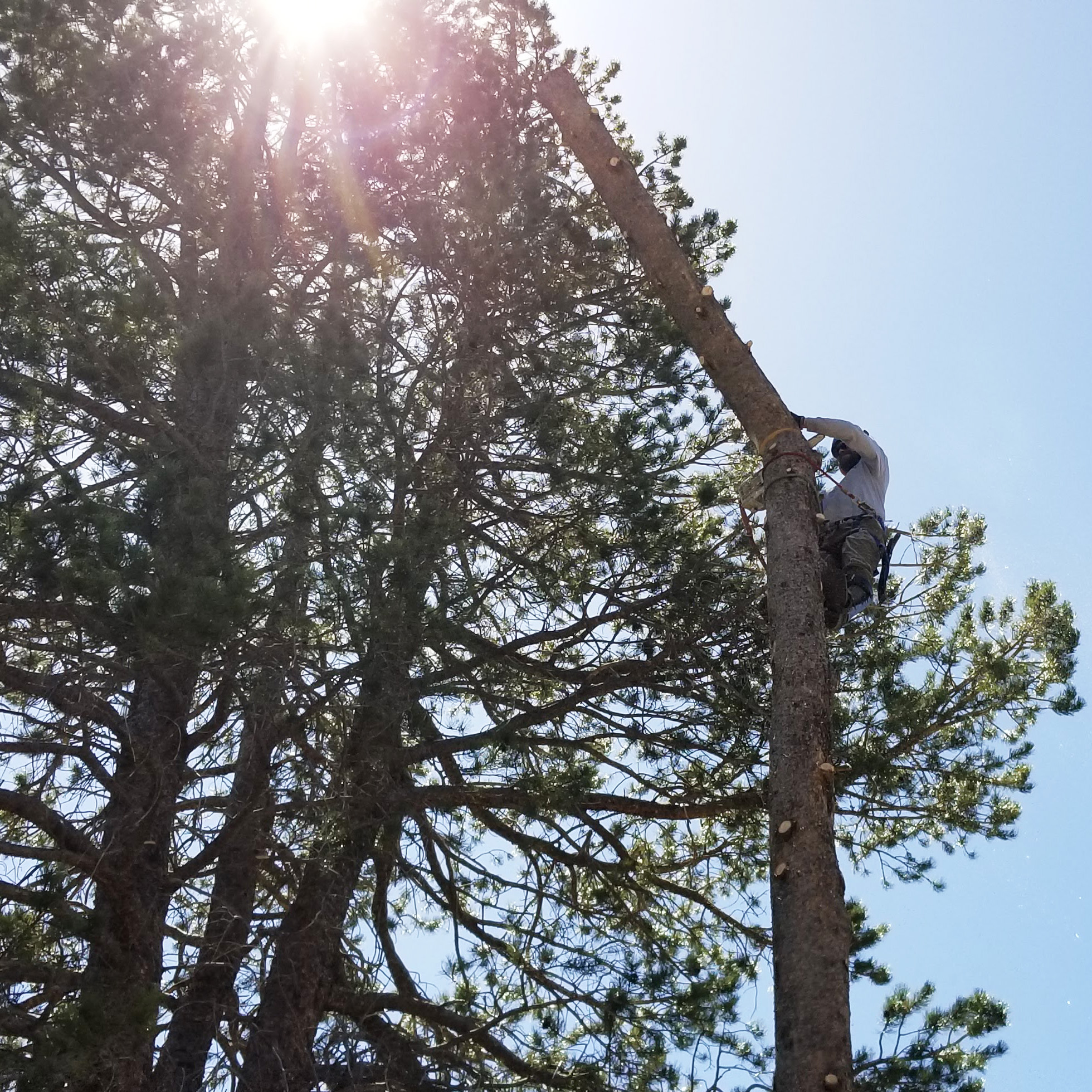
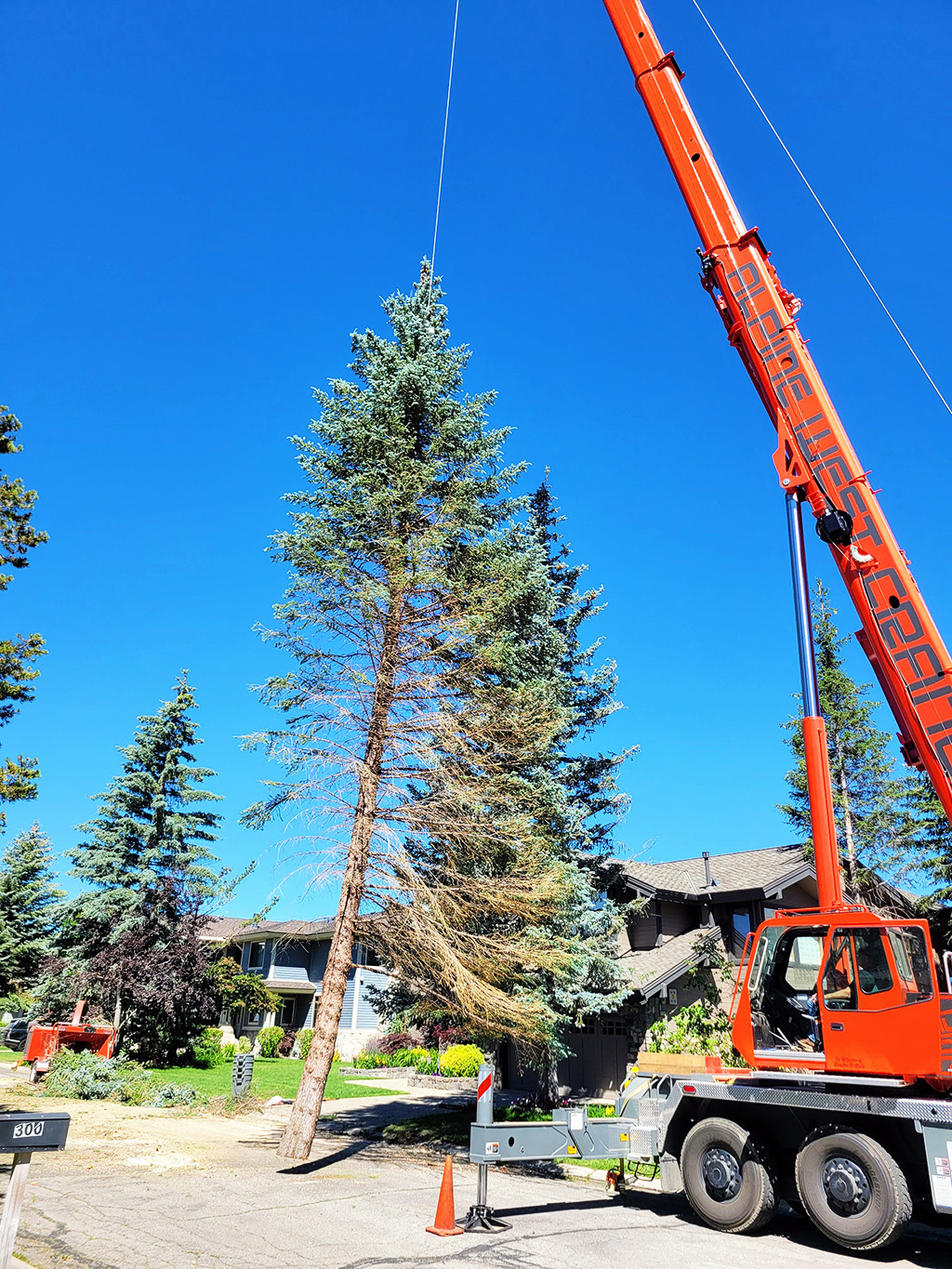
The removal method we choose depends on the tree’s size, location, condition, and surrounding obstacles. Controlled directional felling is used when a tree has enough open space to fall its full length. A precisely calculated notch cut on the fall side guides the tree, and a back cut creates a hinge that controls the descent from start to finish. The tree lands within a few degrees of the intended direction every time. Sectional dismantling is used when a tree is too close to structures for felling. Our climber works from the top down, cutting limbs and trunk sections that are lowered to the ground on ropes with complete control. Each piece is managed throughout its descent, eliminating risk to surrounding structures. Crane-assisted removal is used when a tree is too compromised to climb safely or too large for efficient sectional work. Our Crane Tree Removal service picks sections of trunk directly and places them precisely where intended. After the tree is down, we cut the trunk into manageable lengths. You choose what happens next: the wood can be processed into firewood, left on site, or hauled away. Our Stump Grinding service removes the remaining stump below ground level. Our Firewood service provides cut, split, and delivered firewood from your removed trees.
The Risks of Delaying Tree Removal
Putting off a necessary tree removal creates compounding problems that get more dangerous and more expensive over time. A tree that was a standard removal last year may become a hazardous removal this year as decay progresses—and hazardous removals cost more because they require specialized equipment and techniques. A dead tree left standing becomes habitat for bark beetles, which can move from the dead tree to healthy neighbors, turning a single-tree problem into a stand-wide infestation. A tree with structural defects will eventually fail on its own schedule—which may be during a winter storm when access is difficult, emergency rates apply, and the tree takes out part of your roof on its way down. Timely tree removal is almost always less expensive, less dangerous, and less disruptive than waiting until the tree forces the issue. For fire safety vegetation management, our Defensible Space and Fuels Reduction services address wildfire compliance. For winter access during tree work, our Snow Removal service handles seasonal conditions.
Why Armstrong Tree Service Is the Right Choice for Tree Removal
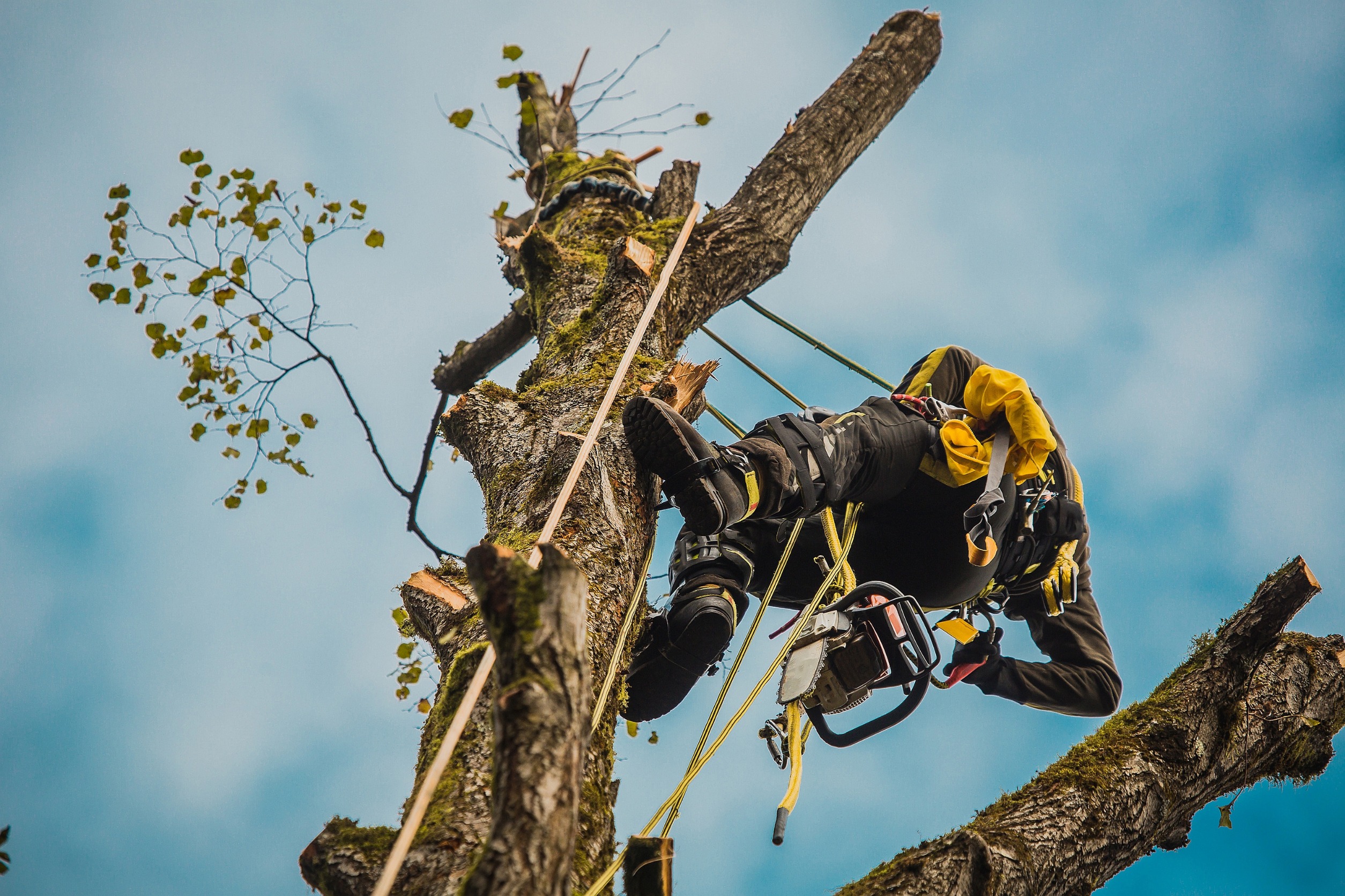
Safety Is Never Compromised. Tree removal is among the most hazardous occupations in America. Our crew follows rigorous safety protocols on every job: pre-work hazard assessment, clearly defined drop zones and escape routes, personal protective equipment, and constant communication between climbers and ground crew. We’re fully licensed and insured, protecting you, your property, and our team.
The Right Equipment for Every Tree. Different trees demand different approaches, and having the right equipment determines both safety and efficiency. Our fleet includes bucket trucks, professional climbing and rigging systems, stump grinders, and crane capability. We don’t force one method on every tree—we match the approach to the specific situation. For the most challenging removals, our Crane Tree Removal and Hazard Tree Removal services provide specialized solutions.
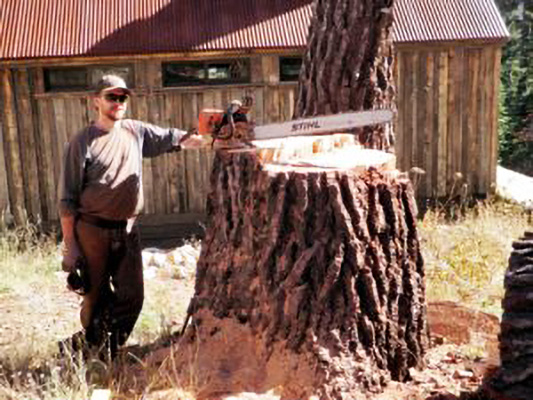
Frequently Asked Questions About Tree Removal
How do I know if a tree needs to be removed?
Signs include significant dead branches, cracks in the trunk or major limbs, fungal growth at the base, recent leaning, and extensive bark loss. Our Certified Arborist provides professional hazard assessments to help you make an informed decision.
How much does tree removal cost?
Costs vary based on tree size, location, accessibility, and removal method. We provide free, no-obligation estimates after assessing the tree and site. The price includes all labor, equipment, and standard cleanup.
What’s the difference between standard and hazardous tree removal?
Standard removal involves structurally sound trees that can be climbed safely. Hazardous removal involves compromised trees that require specialized techniques. Our Hazard Tree Removal service handles these dangerous situations.
Do you use a crane for tree removal?
Yes, when the situation requires it. Our Crane Tree Removal service is used for trees that cannot be safely climbed or felled, or where precision placement of removed sections is critical.
What happens to the wood after removal?
You choose: process into firewood, leave on site, or haul away. Our Firewood service provides cut, split, and delivered firewood.
Do you handle stump removal?
Yes. Our Stump Grinding service grinds stumps below ground level so the area can be replanted, landscaped, or mowed.
Are you licensed and insured?
Yes. Armstrong Tree Service is fully licensed and carries comprehensive liability insurance and workers’ compensation coverage.
Do I need a permit for tree removal?
Permit requirements vary by location within the Tahoe Basin. Many jurisdictions require permits for tree removal above certain sizes or in sensitive areas. We can advise on local requirements during assessment.