Fuels Reduction Services
Professional Fuels Reduction
When you need comprehensive fuels reduction, Armstrong Tree Service brings the equipment, the crew, and the fire science knowledge to reduce hazardous vegetation and create a landscape that can survive wildfire. The forests surrounding the Tahoe Basin are beautiful—but they’re also dangerous. A century of fire suppression has created conditions that would shock the Native Americans who managed this land with regular low-intensity burns. Dense stands of trees compete for limited water, producing stressed forests vulnerable to insects and disease. Layers of understory vegetation create ladder fuels that carry ground fire into the canopy. Dead and downed woody material accumulates faster than it decomposes, building fuel loads that support catastrophic fire behavior. Fuels reduction addresses these conditions through strategic thinning, selective removal, and vegetation treatment that restores forest health and reduces fire intensity. Our service handles larger-scale projects than defensible space—treating acreage, thinning entire stands, and applying forestry principles to create truly fire-resilient landscapes. For the immediate area around structures, our Defensible Space service creates the required cleared zones. For individual tree care, our Tree Service provides comprehensive solutions.
Our Fuels Reduction Approach
Forest Stand Thinning
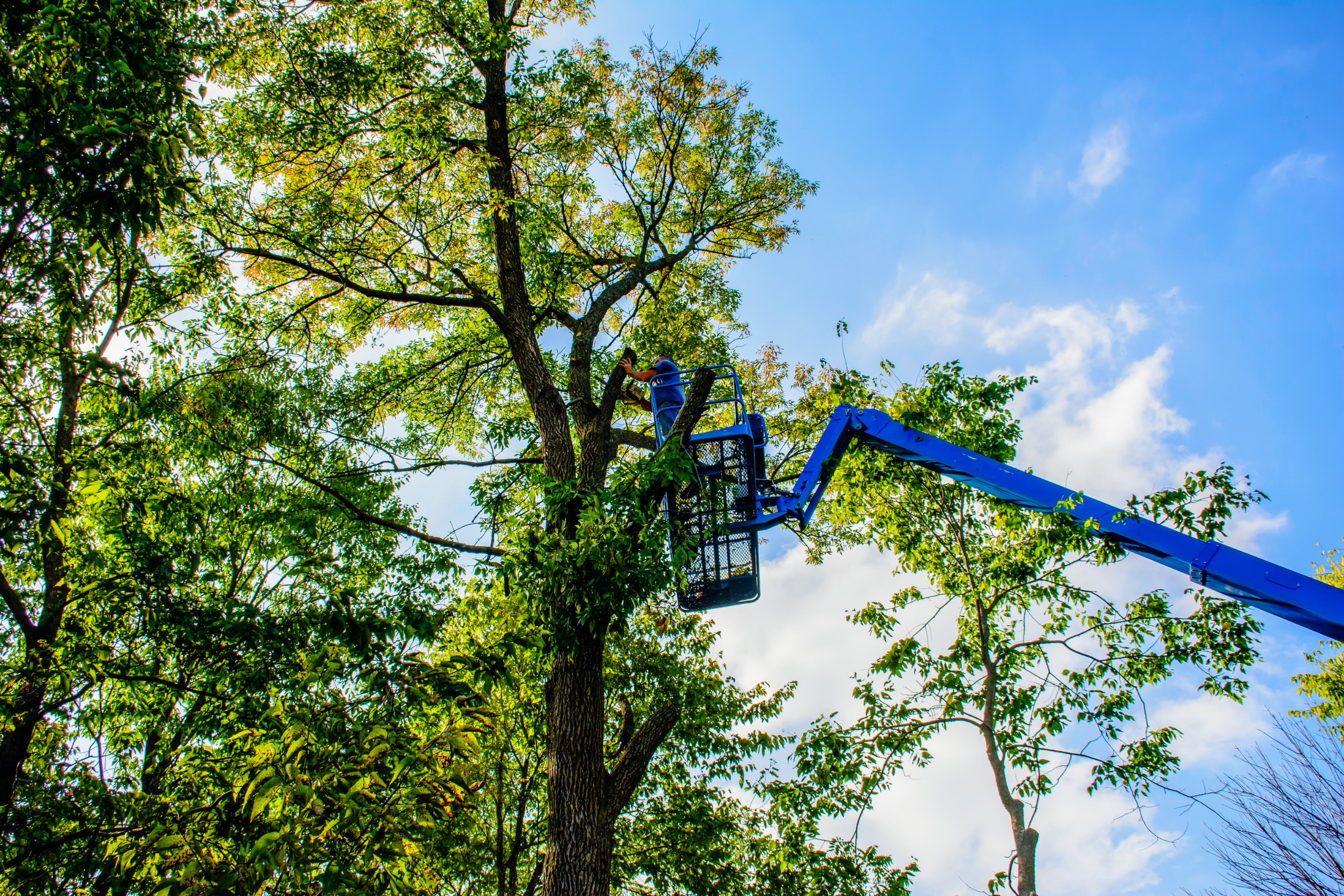
The most important fuels reduction treatment on most properties is thinning—selectively removing trees to reduce density and restore natural forest structure. Before fire suppression, Sierra forests typically supported forty to eighty trees per acre, with open spaces that limited fire spread. Today, many stands contain hundreds of trees per acre. These overcrowded trees compete for limited water, creating chronic stress and beetle vulnerability. When fire enters an overstocked stand, the fuel density produces extreme fire behavior that kills even the largest, most fire-resistant trees. Our thinning process selects trees for removal based on species, size, spacing, health, and fire resistance—keeping the trees with the best chance of surviving drought and future fire. For the trees we remove, our Tree Removal service handles the cutting. For hazardous trees, our Hazard Tree Removal service provides safe removal.
Ladder Fuel Elimination
Ladder fuels allow fire to climb from the forest floor into the canopy—the transition that changes a manageable ground fire into a devastating crown fire. Common ladder fuels include small trees and shrubs beneath larger trees, low-hanging branches touching the ground, and vines or brush climbing into crowns. Eliminating ladder fuels breaks this vertical continuity. We remove understory trees and shrubs creating the fire pathway upward. We prune lower branches to at least six to ten feet above ground—higher on slopes where fire behavior intensifies. We clear brush and small trees from beneath the drip lines of mature trees we’re protecting. The result is a forest with clean understory and visible distance between ground and canopy—a structure that naturally resists crown fire. For the pruning component, our Tree Pruning service provides precise branch removal. For general maintenance, our Tree Trimming service handles routine care.
Fuels Reduction vs. Defensible Space
Property owners often hear both terms and wonder which applies to them. Most properties need both, and they serve complementary purposes. Defensible space is the vegetation management required by law within one hundred feet of structures. It creates the cleared zones that give your home its best chance of surviving wildfire and provide firefighters safer working areas. Our Defensible Space service handles these required treatments. Fuels reduction is broader landscape-scale vegetation management that reduces fire hazard across acreage, addresses forest health as well as fire risk, and applies forestry principles to the entire property rather than just the structure perimeter. Properties with significant acreage, forested areas, or wildland interface typically need both—defensible space near structures, fuels reduction across the broader landscape. For firewood from removed trees, our Firewood service processes usable timber. For stump grinding, our Stump Grinding service eliminates what remains. For large-scale clearing, our Lot Clearing service handles acreage projects.

The Fuels Reduction Process
Every project begins with professional assessment of your property’s forest conditions. We evaluate species composition, stand density, ladder fuel presence, surface fuel loading, and the specific fire behavior risks created by your topography and vegetation patterns. Based on this assessment, we develop a treatment prescription—a detailed plan specifying which trees to remove, which to keep, how pruning should be performed, and how surface fuels should be treated. Our crew implements the treatment according to the prescription. Trees designated for removal are cut and processed. Remaining trees are pruned to eliminate ladder fuels. Understory vegetation is cleared. Surface fuels are chipped, piled, or removed. We handle all debris management. Fuels reduction is not a one-time treatment—vegetation grows back, and periodic maintenance preserves the fire-resilient conditions created by the initial project. For ongoing maintenance, our Tree Trimming and Tree Pruning services provide regular care. For winter access, our Snow Removal service manages seasonal conditions. For professional assessment, our Certified Arborist and Arborist services provide expert evaluation.
Why Armstrong Tree Service Is the Right Choice for Fuels Reduction
Fire Science Knowledge, Not Just Tree Cutting. Fuels reduction applies the science of fire behavior, forest ecology, and vegetation management to create landscapes that can survive wildfire. Our treatments are based on established fire science principles and the specific conditions of Sierra Nevada forests.
Complete Treatment from Assessment to Maintenance. Fuels reduction involves multiple steps—assessment, prescription, implementation, and ongoing maintenance. We handle the complete process, ensuring continuity from initial evaluation through follow-up treatments. For defensible space, our Defensible Space service handles structure protection. For tree removal, our Tree Removal and Hazard Tree Removal services handle the cutting. For the most challenging situations, our Crane Tree Removal service provides heavy-lift capability. For ongoing care, our Tree Trimming and Tree Pruning services provide regular maintenance.
Frequently Asked Questions About Fuels Reduction
What’s the difference between fuels reduction and defensible space?
Defensible space is legally required vegetation management within one hundred feet of structures. Fuels reduction is broader landscape-scale treatment that reduces fire hazard across acreage and improves forest health. Most properties benefit from both.
How much does fuels reduction cost?
Costs vary based on acreage, vegetation density, terrain, and treatment type. We provide free estimates after walking the property. Many owners find fuels reduction pays for itself through reduced fire risk and improved forest health.
Will fuels reduction make my forest look bare?
No, when done correctly. Proper thinning creates an open, park-like forest structure—you can see through the trees, walk through your property, and enjoy the forest without dense, unhealthy understory.
How long does a fuels reduction project take?
Timeline depends on acreage and treatment intensity. Small properties might be treated in days. Larger acreage projects may take weeks. We provide a detailed timeline during assessment.
Does fuels reduction help with forest health?
Yes. Overstocked forests compete for limited water, creating stress and beetle vulnerability. Thinning reduces competition, improves vigor, and creates a more resilient forest.
Will I need to do fuels reduction again?
Yes, periodic maintenance is needed. Vegetation grows back, and follow-up treatments every few years maintain fire-resilient conditions. Our maintenance programs make this easy.
Can you help with grant funding?
Some properties may qualify for cost-share programs or grants for fuels reduction. We can advise on current programs and help with applications.
Do you work with the Forest Service or fire districts?
Yes. We’re familiar with agency requirements throughout the Tahoe Basin and can coordinate work that meets their standards.