Hazard Tree Removal Services in Spring Creek California
Emergency Hazard Tree Removal in Spring Creek California
When you need hazard tree removal in Spring Creek California, Armstrong Tree Service brings specialized equipment, advanced rigging techniques, and the experience to safely remove trees that cannot be climbed or felled conventionally. A hazard tree is fundamentally different from a standard tree removal. A standard removal involves a structurally sound tree—it may be unwanted, in the way of construction, or in decline, but it can still be climbed safely and removed using conventional methods. A hazard tree is one that cannot be safely climbed because it’s compromised. The trunk may be hollow from years of internal decay, incapable of supporting a climber’s weight. The tree may be leaning heavily over your home, with no safe direction to fell it conventionally. It may have already partially failed, with major limbs hung up in neighboring trees in ways that could shift catastrophically during removal. These are the trees that keep property owners awake during windstorms, and they require specialized equipment and techniques that general tree removal services often don’t possess. Our hazard tree removal service in Spring Creek California is built for these dangerous situations. For standard removals, our Tree Removal service handles structurally sound trees. For the most complex hazard situations, our Crane Tree Removal service provides heavy-lift capability. For professional hazard assessment, our Certified Arborist and Arborist services provide expert evaluation throughout Spring Creek California.
What Makes a Tree Hazardous in Spring Creek California
Structural Failure and Decay
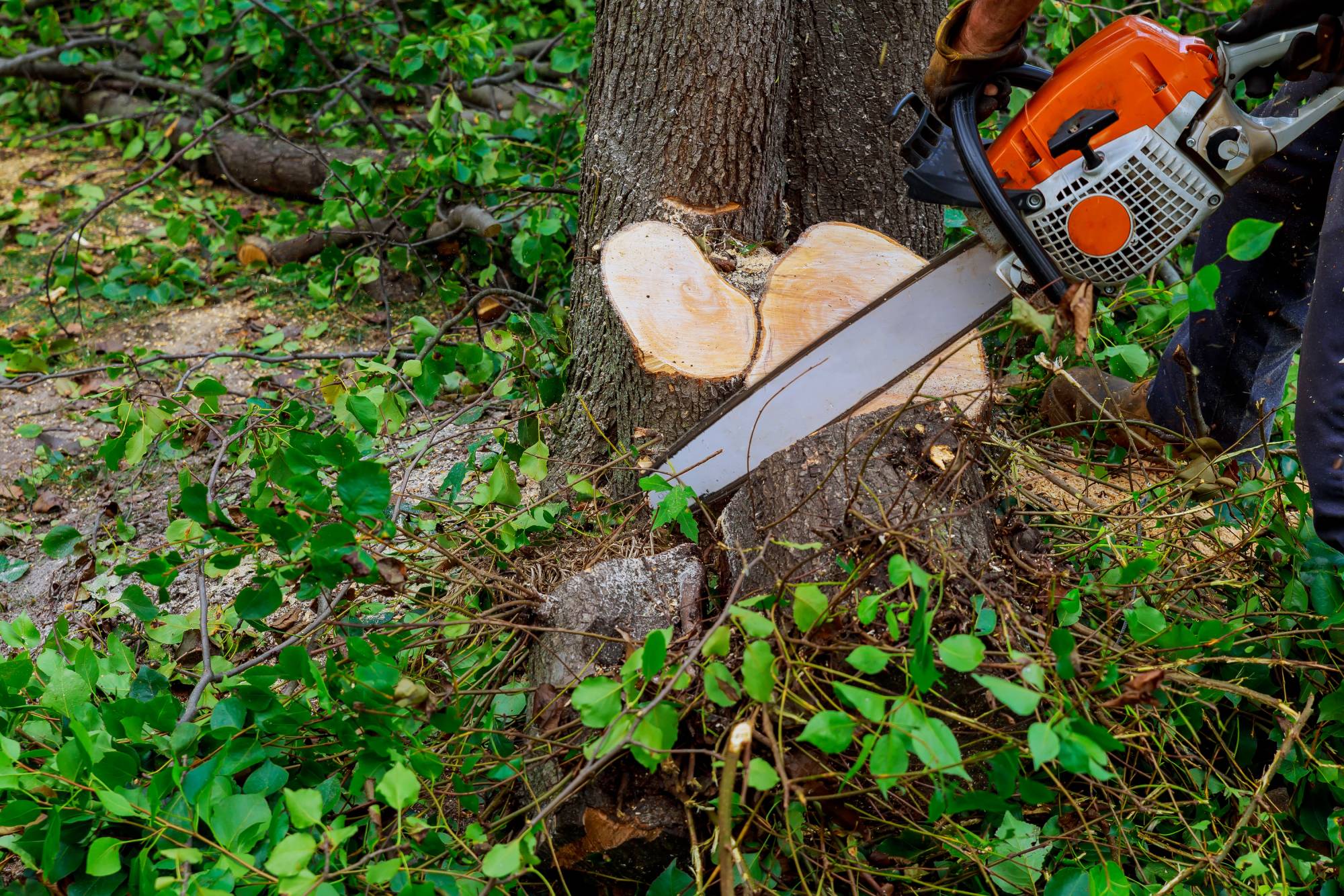
The most common reason a tree becomes too dangerous to climb is internal decay. Fungi enter through wounds—a broken branch, a lightning strike, construction damage to the trunk, or root injury from trenching—and begin breaking down the wood from the inside. A tree can appear perfectly healthy from the outside, with full foliage and intact bark, while the interior is hollow or soft. When our crew assesses a hazard tree, we probe for cavities, listen for the hollow sound that indicates internal decay, and evaluate fungal conks on the trunk that signal advanced rot. If the structural integrity is compromised to the point where the tree cannot support a climber, it must be removed by alternative means—typically crane-assisted removal or mechanical felling from a safe distance. For the heavy lifting these situations require, our Crane Tree Removal service provides the capability to pick sections of trunk directly without anyone climbing the compromised tree.
Severe Lean and Root Failure
A tree that has developed a significant lean—especially if the lean has increased recently—may be in the process of root failure. The soil on the tension side of the lean may be lifting, creating visible cracks and mounds. The roots on the compression side may have snapped underground. The tree is essentially falling in slow motion, and the only question is when it will complete the process. These trees are extremely dangerous to climb because the additional weight and movement of a climber can trigger the final failure. Our hazard tree removal service addresses these situations using techniques that don’t require anyone to climb the compromised tree. For trees near structures or utilities, our Crane Tree Removal service provides precision control throughout the removal process.
The Hazard Tree Removal Process in Spring Creek California
Professional Assessment First
Not every tree that looks dangerous is actually a hazard, and not every hazard is obvious to an untrained eye. Our process begins with a professional assessment. Our Certified Arborist or Arborist evaluates the tree’s structure, decay pattern, lean, root condition, and proximity to targets—the people and property that would be affected if the tree failed. Based on this assessment, we determine whether the tree truly requires hazardous removal or whether it can be addressed through standard Tree Removal methods or even saved through proper care. If hazard removal is necessary, we develop a specific removal plan based on the tree’s condition, location, and the safest approach.
Specialized Removal Techniques
When climbing is impossible, we use alternative access methods. Our Crane Tree Removal service brings a crane to the site, allowing us to pick sections of the tree directly—cutting pieces that are lifted away by the crane before they can fall. This eliminates risk to both the compromised tree and surrounding structures. When crane access isn’t possible, we may use mechanical felling from a safe distance, pulling the tree with cables and equipment rather than cutting it from within. In some cases, we use bucket trucks or aerial lifts that provide platform access without putting weight on the compromised tree. Every hazard removal is unique, and we match the technique to the specific situation. After the tree is down, we handle all debris—chipping, hauling, or processing into firewood through our Firewood service. For stump removal, our Stump Grinding service eliminates what remains.
Why You Shouldn't Wait to Remove a Hazard Tree
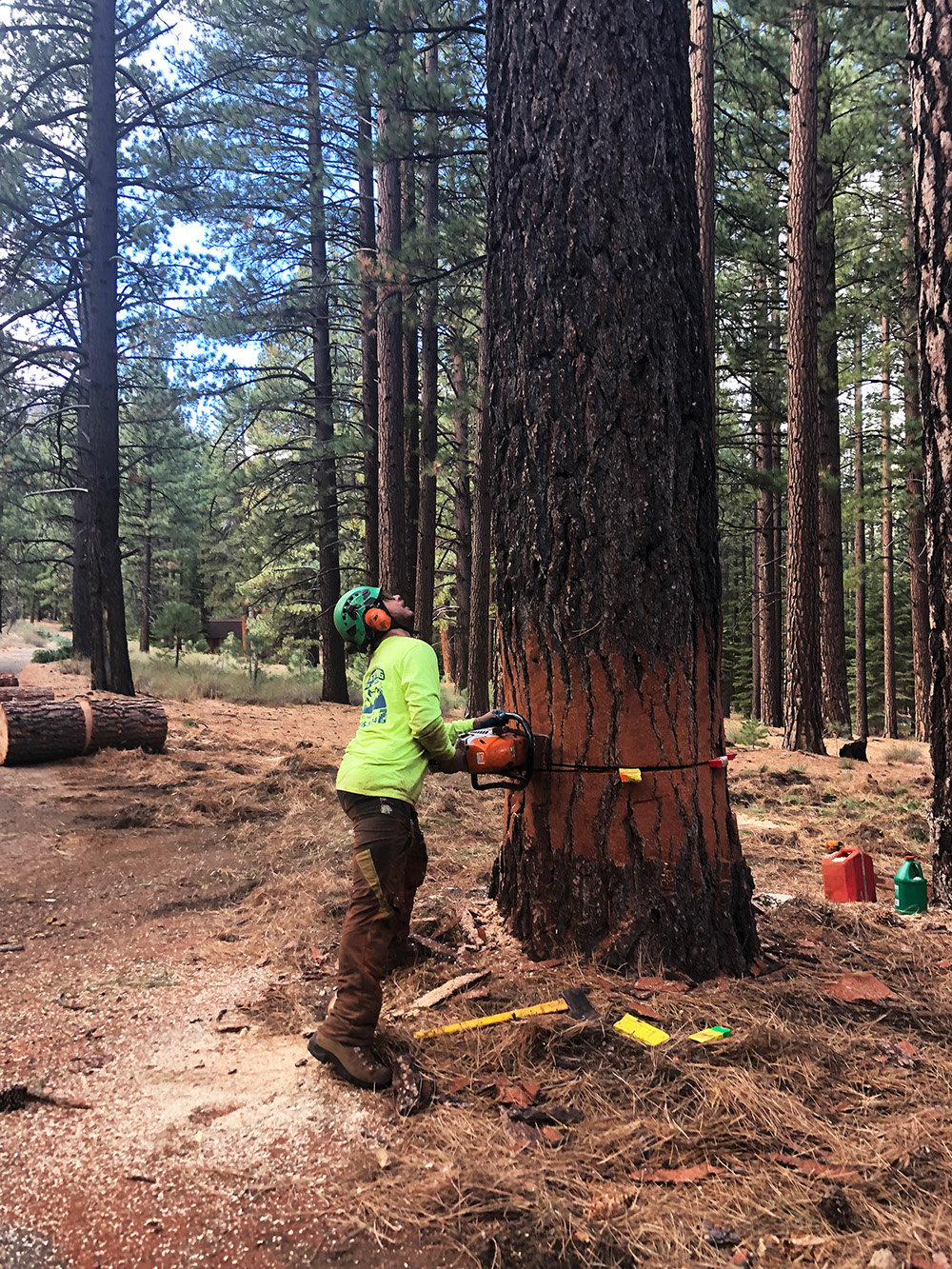
The most dangerous thing about a hazard tree is its unpredictability. A tree with advanced internal decay can stand for years and fail on a calm, sunny day when thermal expansion becomes the final stressor. A tree with root failure can complete its fall during the next storm—or the next time the soil gets saturated, regardless of wind. A hung limb can release days, weeks, or months after the storm that created it, falling without warning. Waiting to remove a known hazard tree means accepting that risk—the risk of property damage, personal injury, or worse—when professional removal could eliminate it entirely. Timely hazard tree removal also costs less than emergency removal after the tree has failed and caused damage. For fire safety vegetation management, our Defensible Space and Fuels Reduction services address wildfire compliance. For lot clearing, our Lot Clearing service handles acreage projects. For winter access during hazard tree work, our Snow Removal service manages seasonal conditions. For complete tree care, our Tree Service provides comprehensive solutions throughout Spring Creek California.
Why Armstrong Tree Service Is the Right Choice for Hazard Tree Removal in Spring Creek California
We Have the Equipment for the Most Dangerous Trees. Hazard tree removal often requires specialized equipment that standard tree services don’t possess. Our Crane Tree Removal service provides heavy-lift capability for trees that cannot be climbed. Our bucket trucks and aerial lifts provide platform access when climbing isn’t safe. Our rigging and cabling systems allow us to control the descent of every piece we cut.
We Never Put a Climber on a Tree That Can’t Support One. Some tree services will climb trees that should never be climbed—taking risks with their workers’ lives and your property. We don’t. If our assessment determines a tree cannot safely support a climber, we use alternative methods. No job is worth a serious injury or fatality, and no tree is worth the liability of a compromised removal gone wrong. For professional assessment before removal, our Certified Arborist and Arborist services provide expert evaluation. For standard tree removals, our Tree Removal service handles structurally sound trees. For ongoing tree care, our Tree Trimming and Tree Pruning services maintain your remaining trees throughout Spring Creek California.
AREA WE SERVED
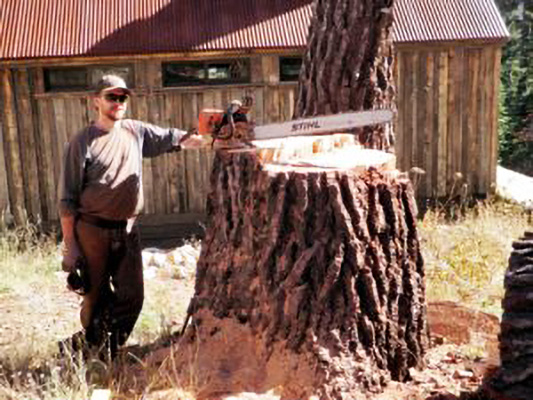
Proudly delivering professional hazard tree removal services across Spring Creek California and the surrounding Tahoe region. From leaning trees to storm-damaged emergencies, Armstrong Tree Service is your trusted local partner for the most dangerous tree work.
Frequently Asked Questions About Hazard Tree Removal in Spring Creek California
What makes a tree a hazard tree?
A tree becomes a hazard tree when structural compromise makes it unsafe to climb or fell conventionally—internal decay, severe lean, root failure, storm damage, or partial failure. These trees require specialized removal techniques.
How is hazard tree removal different from standard tree removal?
Standard removal involves structurally sound trees that can be climbed safely. Hazard removal involves compromised trees that require alternative methods—typically crane-assisted removal or mechanical felling.
How do I know if my tree is hazardous?
Warning signs include large dead branches, cracks in the trunk, fungal growth at the base, recent leaning, lifting soil around the base, and cavities or hollow sounds when tapped. Our Certified Arborist provides professional hazard assessment.
Do you use cranes for hazard tree removal?
Yes, when the situation requires it. Our Crane Tree Removal service is essential for many hazard removals—allowing us to pick sections of the compromised tree without anyone climbing it.
How much does hazard tree removal cost?
Costs vary based on tree size, location, access, and the removal method required. Hazard removals typically cost more than standard removals due to specialized equipment and techniques. We provide free estimates after assessment.
How quickly can you respond to a hazard tree emergency?
We prioritize hazard tree situations and respond as quickly as possible—often same-day or next-day for trees posing immediate danger to people or property throughout Spring Creek California.
Will my insurance cover hazard tree removal?
Coverage varies by policy. Many insurers cover hazard tree removal when documented by a professional assessment, especially if the tree threatens structures. We provide the documentation insurers require.
Can a hazard tree be saved instead of removed?
In some cases, yes. Our assessment determines whether a tree can be made safe through pruning, cabling, or other treatments. If the tree can be preserved safely, that’s what we’ll recommend.